
 Spanish
  English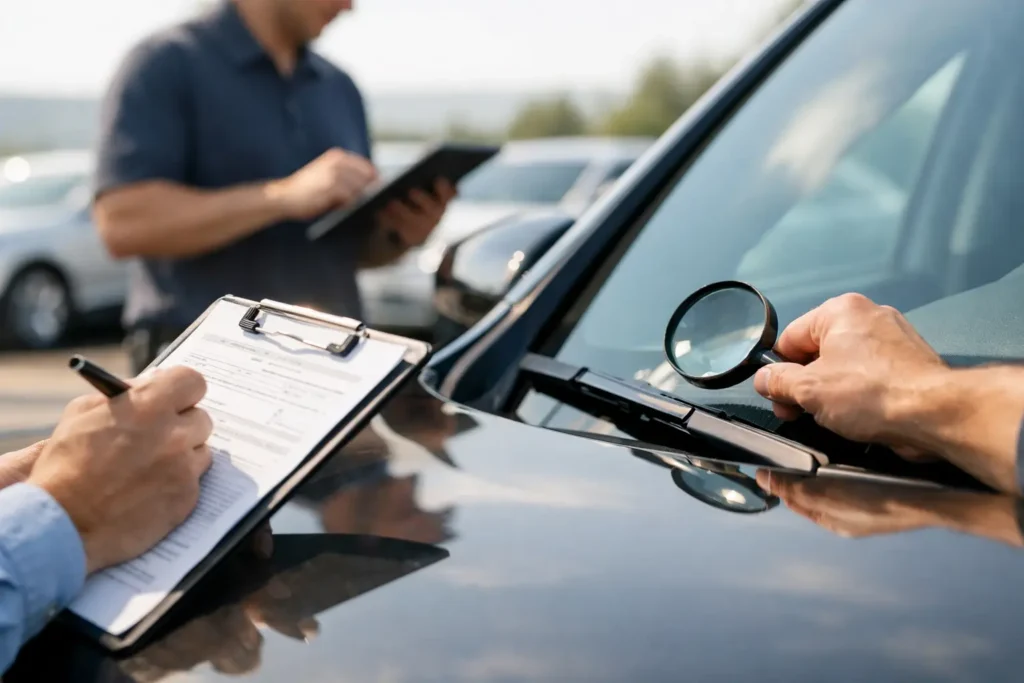
If you are standing at the counter with your title, insurance, and registration paperwork, the last thing you want to hear is that you still need a VIN inspection. It happens a lot, especially with out-of-state vehicles, title transfers, and vehicles that have not been registered the usual way. The good news is that vin verification for registration is usually simple when you know what the DMV is looking for.
For many drivers in Chula Vista, San Diego, National City, and nearby communities, the real problem is not the inspection itself. It is the delay. One missing step can turn a quick registration visit into multiple trips, extra waiting, and paperwork you did not plan for. That is why it helps to understand what VIN verification does, when it is required, and how to show up prepared.
What vin verification for registration actually means
A VIN, or Vehicle Identification Number, is the unique number assigned to a vehicle. During verification, an authorized person checks that the VIN on the vehicle matches the VIN listed on your documents. They may also confirm other identifying details, such as the year, make, model, and in some cases the federal certification label or engine number if applicable.
This step helps prevent registration mistakes, title fraud, and record mismatches. It also gives the DMV confidence that the vehicle being registered is the same vehicle shown on the ownership paperwork. If the number on the dash, door label, or frame does not match your documents, registration can stop right there until the issue is resolved.
That is why this process matters more than people expect. It is not just a formality. It is a checkpoint that protects both the vehicle owner and the state record.
When California usually requires a VIN verification
Not every registration transaction needs it. But there are several situations where California commonly requires VIN verification for registration.
The most common example is an out-of-state vehicle. If you recently moved to California or bought a car, truck, or motorcycle from another state, a VIN inspection is often part of the registration process. The same can apply to certain title transfers, revived salvage vehicles, vehicles with missing or inconsistent paperwork, or cases where DMV records need additional confirmation.
It can also come up when the vehicle has not been registered for a long time, when the title history is unclear, or when identifying information on your documents does not line up cleanly. Commercial vehicles and trucks may face closer review depending on the transaction.
The exact requirement can depend on the vehicle type and paperwork history. That is where many people get stuck. They assume they can finish registration in one visit, only to learn an inspection is still needed.
What the verifier is checking
The inspection is generally straightforward. The verifier looks at the physical vehicle and compares its identifying information against your paperwork. The main item is the VIN, but they may also check the license plate, body type, odometer details in some cases, and labels placed by the manufacturer.
For most passenger vehicles, the VIN is commonly found on the dashboard near the windshield on the driver side and on the driver-side door jamb. Motorcycles, trailers, and commercial vehicles may have it in different locations. If the VIN plate is damaged, missing, hard to read, or appears altered, the process can become more complicated.
This is where condition matters. A dirty windshield plate, a missing label, or aftermarket changes do not always create a problem, but they can slow things down if the number is difficult to confirm. If the vehicle has been rebuilt or modified, expect a closer look.
What to bring so you do not lose time
The vehicle itself must usually be present for the verification. You cannot complete a physical VIN inspection with photos alone if the transaction requires an in-person review. Bring the title or out-of-state registration if you have it, your identification, and any paperwork related to the registration transaction.
If the vehicle came from another state, bring every ownership document you received from the seller or previous state agency. If there is a bill of sale, lien release, or transfer document, bring that too. The more complete your file is, the easier it is to move forward if questions come up.
Insurance may also be needed for the registration side of the transaction, even though it is separate from the VIN inspection itself. This is one reason many customers prefer a one-stop office that can help with both registration paperwork and coverage if needed.
Common reasons people get delayed
Most delays do not happen because the customer did something wrong. They happen because the paperwork and vehicle details do not line up as cleanly as expected.
One common issue is a typo on the title or registration application. A single wrong digit in the VIN can stop the transaction. Another problem is bringing documents for one vehicle while the verifier sees a different trim, year, or body type than what the paperwork suggests. That does not always mean there is a serious issue, but it does mean someone has to pause and sort it out.
Out-of-state purchases are another frequent source of delay. Buyers often assume the signed title is enough, then learn California wants additional supporting documents. Salvage history, prior liens, or incomplete transfer paperwork can also slow down approval.
And sometimes the problem is simple – the VIN area is blocked, the vehicle will not start, or the number is too hard to read. If the verifier cannot clearly inspect the vehicle, they cannot complete the form.
Why local help can make the process faster
For customers who are trying to register a vehicle quickly, the biggest advantage is not just getting the VIN checked. It is having someone review the whole transaction before it turns into a problem.
A local DMV service office can look at your title, transfer paperwork, and registration needs together. That matters because VIN verification is often only one piece of the file. If there is also a title transfer, duplicate title issue, commercial registration requirement, or insurance question, handling everything in one place can save a lot of time.
That is especially helpful for busy families, first-time buyers, and drivers who do not want to lose a workday dealing with the DMV. It also helps bilingual customers who want clear explanations in English or Spanish without having to guess what a form means.
At DMV Services Chula Vista, many customers come in thinking they only need one document stamped, then find out they are missing another piece of the registration process. Getting hands-on support early can prevent repeat visits and help you finish faster.
What to expect if your vehicle has a complication
Some VIN verifications are quick. Others take more follow-up. It depends on the vehicle history.
If the VIN plate is missing, altered, or unreadable, the verification may not be completed in the usual way. If the vehicle is a revived salvage or has major reconstruction, additional inspection steps may apply. If the paperwork shows one VIN and the vehicle shows another, the issue has to be corrected before registration can move forward.
This does not always mean bad news. Sometimes it is an old clerical mistake or a document issue from a previous owner. But it does mean you should not wait until the last minute, especially if your temporary permit is close to expiring.
How to make your registration visit smoother
Before you go in, check that the VIN on your title, insurance, and registration documents matches exactly. Clean the area where the VIN is displayed so it is easy to read. Bring all ownership paperwork, even if you are not sure it is needed. If the vehicle came from out of state, assume extra documentation may help.
If you are registering a motorcycle, truck, trailer, or commercial vehicle, say that upfront when you ask for help. Those cases can involve different forms or added registration requirements. It is better to hear that before you are standing in line.
And if you are in a hurry, ask whether your transaction can be reviewed before you make the trip. A quick document check can save you from showing up with half the file.
VIN verification is one of those DMV steps that feels small until it holds everything up. When the paperwork is right and the vehicle is ready, it can move quickly. When something is off, even by one digit, it can delay the entire registration. If you want to avoid extra trips and get the process handled with less stress, the best move is simple – bring the vehicle, bring the paperwork, and get help before a small issue becomes a bigger one.