
 Spanish
  English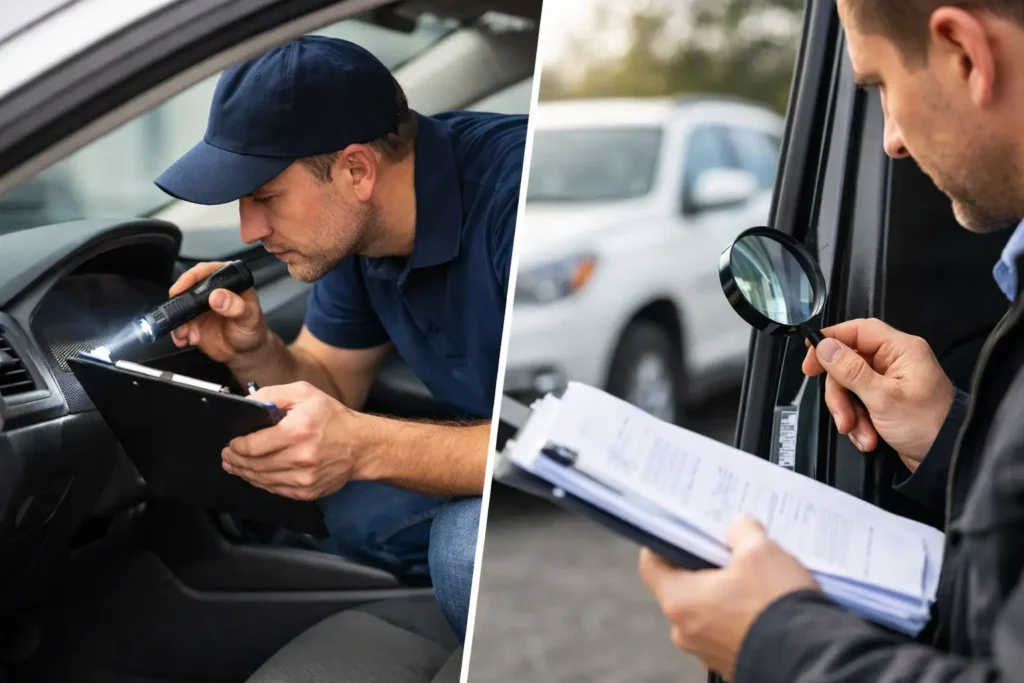
A missing VIN check can stop an otherwise simple registration at the counter. This is why understanding vin inspection versus vin verification matters before you spend time gathering documents, arranging a tow, or waiting in line. In California, the terms are often used interchangeably, but they can mean very different things depending on your vehicle, paperwork, and the reason for the DMV transaction.
For most drivers in Chula Vista and San Diego County, the question is not which service sounds familiar. The question is: what does the DMV actually require for your vehicle? Getting that answer right can keep an out-of-state registration, title transfer, or rebuilt vehicle process from turning into multiple trips.
VIN Inspection Versus VIN Verification: The Main Difference
A VIN verification is generally a document-based DMV requirement. An authorized person physically looks at your vehicle and compares identifying information on the vehicle with the title, registration application, or other ownership documents. In California, this commonly includes the vehicle identification number, year, make, model, body type, odometer reading when required, and sometimes the federal certification label or emissions label.
The goal is straightforward: confirm that the vehicle presented is the same vehicle described in the paperwork. A VIN verification does not normally mean someone is testing the engine, checking whether the brakes work, or completing a full mechanical inspection.
A VIN inspection is a broader term. People may use it to describe a VIN verification, but it can also refer to a more detailed inspection performed by law enforcement, especially the California Highway Patrol. A CHP inspection may be required when there are signs of a missing, altered, or unusual VIN, a problem with ownership history, a specially constructed vehicle, or a DMV referral. That process can involve more than matching numbers on a form.
Put simply, a routine VIN verification confirms identity for registration. A VIN inspection may mean a higher-level review because the vehicle or its documents need additional investigation.
When a California VIN Verification Is Commonly Needed
California may require a VIN verification in several routine situations. The most common example is bringing a vehicle into California from another state. Before California can issue registration, it may need to confirm the VIN and other identifying labels directly from the vehicle.
You may also need one when registering a vehicle with incomplete or inconsistent records, transferring a vehicle with unusual title circumstances, or correcting information that does not match DMV files. Salvage vehicles, vehicles with a history of major damage, and some motorcycles or trailers can bring additional requirements as well.
The exact requirement depends on the transaction. An out-of-state car with a clean title and readable VIN may only need a standard verification. A vehicle with a salvage title, an altered VIN plate, or a gap in the ownership paperwork may be referred to CHP or require further documentation. Never assume that every vehicle follows the same path.
A standard verification is usually completed on the DMV’s verification form. The vehicle must be physically available because photos, a video call, or a VIN written on a document are generally not a substitute for the actual inspection.
What the Verifier Looks For
The VIN can appear in more than one place. On many passenger vehicles, the primary VIN is visible through the windshield on the driver-side dashboard. It may also appear on the driver-side door frame, under the hood, on the engine, or on the vehicle frame. Motorcycles, trailers, and commercial vehicles often have VIN locations that are less obvious.
The verifier checks that the VIN is readable and matches the documents. They may also confirm the federal safety label, emissions label, engine number, or other information required for that type of vehicle. If dirt, rust, aftermarket parts, window tint, or damage blocks the VIN, clear access before your appointment. A simple visibility issue can create a delay.
When You May Need a CHP VIN Inspection
A CHP inspection is not the standard answer for every out-of-state registration. It is usually needed when the DMV cannot complete the process through a normal verification or when there is a reason for greater scrutiny.
For example, CHP involvement may be required if a VIN is missing, appears altered, has been removed, or does not match the title. It may also be necessary for certain specially constructed vehicles, revived junk vehicles, or cases where the ownership history needs closer review. If a vehicle has been rebuilt, the requirements can vary based on the title status and the documents you have.
This distinction matters because a private verifier or registration service cannot replace CHP when the DMV has made a CHP referral. The right move is to follow the referral instructions, gather every ownership document you have, and avoid making changes to VIN plates or labels yourself. Attempting to clean, remove, or reattach a VIN plate can make the situation more complicated.
What to Bring for a Smooth VIN Verification
Bring the vehicle, the title or current registration, and any DMV documents connected to your transaction. For an out-of-state vehicle, bring the out-of-state title and registration if available. If the vehicle was purchased recently, bring the bill of sale and any dealer paperwork. If there is a lienholder, bring lien-related information as well.
Your situation may call for additional documents. A salvage title, a duplicate title request, a vehicle purchased at auction, or an ownership transfer involving a deceased owner can each require different paperwork. It is better to ask about your exact transaction before arriving than to guess based on a friend’s experience.
Before the verification, make sure the VIN areas can be seen. Remove papers from the dashboard, clean the windshield if it obscures the plate, and unlock the vehicle. For motorcycles, trailers, and commercial trucks, locate the VIN ahead of time if possible. This saves time and reduces the chance that the inspection must be paused.
Common Mistakes That Create Delays
The first mistake is treating a VIN verification as optional. If the DMV requires it, your registration cannot be finalized without it. The second is bringing paperwork with a name, VIN, or vehicle description that does not match. Even one wrong character in a 17-digit VIN can stop processing.
Another common issue is arriving with a vehicle that cannot be inspected. A vehicle stored behind another car, not running at a distant repair shop, or inaccessible because it is locked may need to be moved before verification. For some circumstances, an on-site option may be available, but eligibility and fees can depend on location and vehicle type.
Drivers also lose time by using the phrase “VIN inspection” without asking whether the DMV wants a routine verification or CHP review. Be specific when you ask for help: explain whether the vehicle is from out of state, has a salvage or junk history, was recently purchased, or has a VIN that is hard to read. Those details change the answer.
Can a Registration Service Handle the Verification?
In many routine cases, an authorized registration provider can help complete VIN verification paperwork and process the related registration transaction without sending you through a long DMV wait. That is especially useful for customers handling out-of-state vehicles, title transfers, renewals with document issues, or commercial registration needs.
DMV Services Chula Vista provides local, in-person help with VIN verification and vehicle paperwork, including bilingual assistance for customers who prefer clear guidance in English or Spanish. If your case needs CHP review, a reputable service should tell you directly rather than promise a shortcut that does not exist.
The benefit of getting help is not just speed. It is having someone review the transaction before you submit it, so you can identify missing documents, title concerns, or verification requirements early. That can prevent a rejected application and a second trip.
A Quick Way to Tell Which One You Need
Start with the reason you are registering the vehicle. If you are bringing in a normal out-of-state car, truck, motorcycle, or trailer and the VIN is clear, you will often be dealing with a standard VIN verification. If the DMV has given you a CHP referral, the VIN has a problem, or the ownership history is complicated, expect a CHP VIN inspection or additional review.
Do not rely on the label alone. Bring the paperwork, explain the vehicle’s history honestly, and let the required process guide the next step. A few minutes of clear information at the beginning can save days of registration delays later.