
 English
  Spanish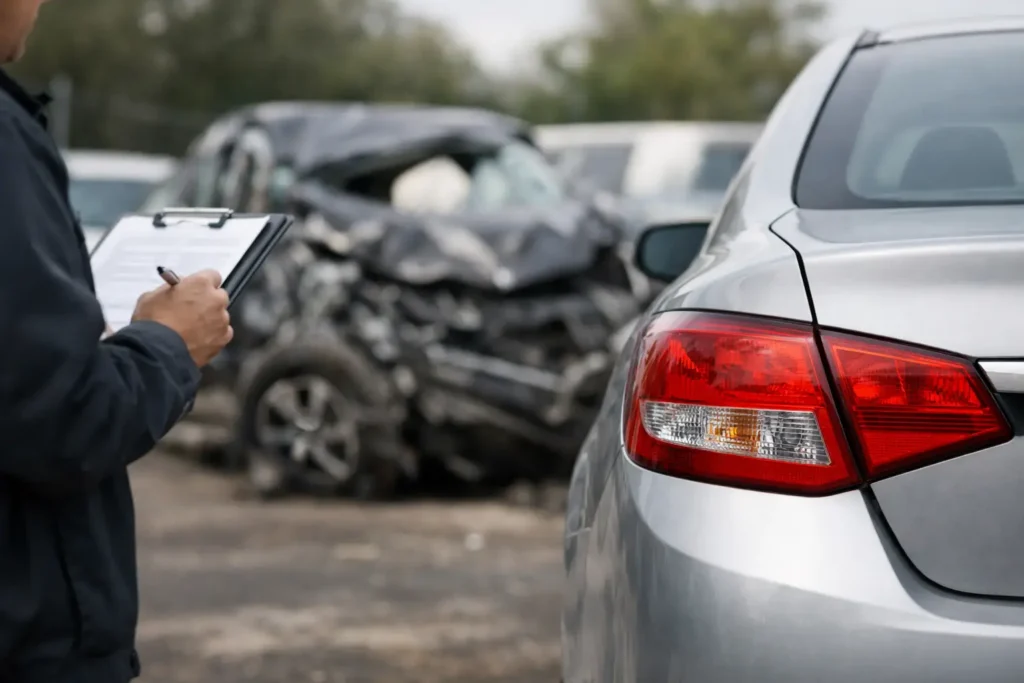
A low price on a used car can disappear fast when the title shows a brand. Buyers may have trouble financing it, insuring it, or reselling it later. Understanding what causes title branding before you buy, sell, transfer, or register a vehicle can help you avoid costly surprises.
A title brand is a permanent notation tied to a vehicle identification number, or VIN, that tells future owners there has been a significant event in the vehicle’s history. The exact language can vary by state, but the purpose is the same: to make major history issues visible instead of allowing a vehicle to be presented as an ordinary used car.
What Causes Title Branding in California?
Title branding usually begins when an insurance company, vehicle owner, court, manufacturer, or government agency reports a qualifying event. In California, the most common reasons involve severe damage, a total loss insurance claim, a vehicle that cannot legally be repaired for road use, or a manufacturer repurchase under the lemon law.
The brand does not automatically mean a vehicle is unsafe today. A properly repaired vehicle may run well and pass required inspections. But it does mean the vehicle has a history that affects value, financing, insurance options, and the paperwork needed to transfer ownership.
An insurance total loss often leads to a salvage title
A vehicle is commonly branded salvage after an accident, theft, fire, or other loss when the insurer determines it is not economically practical to repair. This does not always mean the car was crushed or destroyed beyond recognition.
Insurance companies compare the expected repair cost with the vehicle’s actual cash value. If repairs are too expensive compared with what the vehicle was worth before the loss, the vehicle may be declared a total loss. For an older vehicle with modest value, damage that looks repairable can still result in a salvage designation.
For example, a car worth $6,000 may need $5,500 in collision repairs, airbags, sensors, and paint work. Even if it can physically be fixed, the insurer may total it. Once the salvage process is reported, the title history follows the VIN.
The same can happen after a theft claim. If an insurer pays the claim and the vehicle is recovered later, it may have a salvage history depending on the circumstances and the paperwork already completed.
Severe damage can result in a nonrepairable designation
A nonrepairable vehicle is different from a salvage vehicle. In general, a nonrepairable designation means the vehicle is not intended to be repaired, registered, or returned to normal road use. It is typically limited to parts, scrap, or dismantling.
This status can result from extensive collision damage, catastrophic fire damage, severe flood damage, or other destruction that makes the vehicle unsuitable for legal repair and operation. A nonrepairable vehicle should not be treated as a bargain project car. Its paperwork and future use are much more restricted than a salvage vehicle.
If you are looking at a vehicle advertised for parts, always confirm the title status before handing over money. A vehicle with a nonrepairable history may not be eligible for the registration outcome a buyer expects.
Flood and water damage may appear in vehicle history
Flood damage is a serious concern because water can affect far more than carpets and seats. Electrical modules, wiring, safety systems, sensors, engine components, and hidden metal surfaces may be affected. Problems can appear weeks or months after a vehicle seems clean and functional.
A flood-related title brand may be issued or reported when a vehicle sustains qualifying water damage. In some cases, the title may carry a state-specific brand; in others, the damage may appear through vehicle history reporting. Either way, buyers should treat flood history carefully.
A fresh interior, strong air freshener, or unusually clean carpets do not prove a vehicle is free from water damage. Look for corrosion around seat brackets, under the dashboard, in the trunk, and near wiring connectors. A trusted mechanic should inspect any vehicle with suspected water exposure before purchase.
Lemon law buybacks receive a disclosure brand
Not every branded title is related to a crash. A California Lemon Law Buyback designation can apply when a manufacturer repurchases a vehicle because it had defects that could not be fixed after a reasonable number of repair attempts.
The vehicle may look nearly new and may not have accident damage. Still, the title must disclose that it was repurchased under lemon law requirements. The brand helps future buyers understand that the vehicle had a significant warranty-related history.
A lemon law buyback can sometimes be less concerning than a severely damaged salvage vehicle, but it depends on the defect and whether it was actually corrected. Ask for repair records, the manufacturer’s disclosure documents, and details about the original problem. Do not rely only on a seller saying the issue was “minor.”
Odometer problems can create a title warning
Odometer disclosures are another area that can affect title paperwork. If mileage cannot be verified, is inconsistent with records, or is believed to be incorrect, the title may include an odometer-related notation such as a discrepancy or not actual mileage warning.
This matters because mileage has a direct effect on a vehicle’s market value and maintenance expectations. An odometer discrepancy does not necessarily mean a seller intentionally committed fraud. A damaged instrument cluster, paperwork mistake, or incomplete prior record can be involved. But the buyer should understand that the true mileage may be unknown.
For a used vehicle buyer, this should trigger extra questions. Compare the odometer reading with service records, inspection records, prior titles, and the vehicle’s overall condition.
A Brand Is Not the Same as a Repair Record
One common mistake is assuming that a title is clean simply because a car has been repaired or is currently registered. Repairs do not erase a title brand. A salvage vehicle that is repaired and inspected may qualify for registration as a revived salvage vehicle, but its prior salvage history remains part of the vehicle’s record.
The opposite mistake is assuming every repaired vehicle has a branded title. Plenty of vehicles have accident repairs without becoming insurance total losses. A minor collision claim, bumper repair, broken windshield, or mechanical repair does not automatically create a title brand.
The deciding factor is usually the type and severity of the event, the insurance settlement, and how the vehicle was reported to the appropriate agency. That is why two cars with similar visible damage can have very different title histories.
What a Branded Title Means for Buyers and Sellers
A branded vehicle can be legal to own and, depending on its status, legal to drive. However, there are real trade-offs. The vehicle may sell for less than a comparable clean-title car, lenders may be less willing to finance it, and some insurers may limit physical damage coverage or require additional review.
For buyers, the right approach is not automatically “never buy a branded title.” It is to price the risk correctly and verify the facts. A lower purchase price should reflect the title history, possible hidden damage, reduced resale value, and added inspection needs.
Before buying a branded vehicle, confirm the VIN on the vehicle matches the title, review all available history, and ask for repair invoices and photos from before repairs were completed. Have an independent mechanic inspect the vehicle, especially its frame, airbags, suspension, electrical components, and safety systems. If the vehicle was previously salvage, make sure the registration status is appropriate for California road use.
For sellers, disclose the title status clearly from the beginning. Trying to avoid the subject creates distrust and can derail a sale after a buyer checks the VIN. Clear paperwork and honest disclosure protect both sides of the transaction.
Title Branding and California Transfer Paperwork
A branded title can make a transfer more detailed, especially when a vehicle has out-of-state paperwork, salvage documentation, missing title records, lien releases, or VIN verification requirements. The documents needed depend on the vehicle’s current title status and the transaction being completed.
Do not sign a title until you are sure the names, VIN, and ownership information are correct. Errors, cross-outs, missing signatures, and incomplete lien information can delay a transfer. If a salvage vehicle has been rebuilt, additional forms or inspections may be required before it can be registered for use on the road.
DMV Services Chula Vista provides in-person help with title transfers, duplicate titles, out-of-state title handling, VIN verification, registration services, and lien-related paperwork. For drivers in Chula Vista and nearby San Diego County communities, getting the documents reviewed before submitting them can save a return trip and help prevent avoidable delays.
A title brand is not just a label on a document. It is a signal to slow down, check the VIN, understand the vehicle’s history, and make sure the paperwork matches the vehicle you are buying or selling. A few minutes of careful review can protect your budget long after the keys change hands.