
 English
  Spanish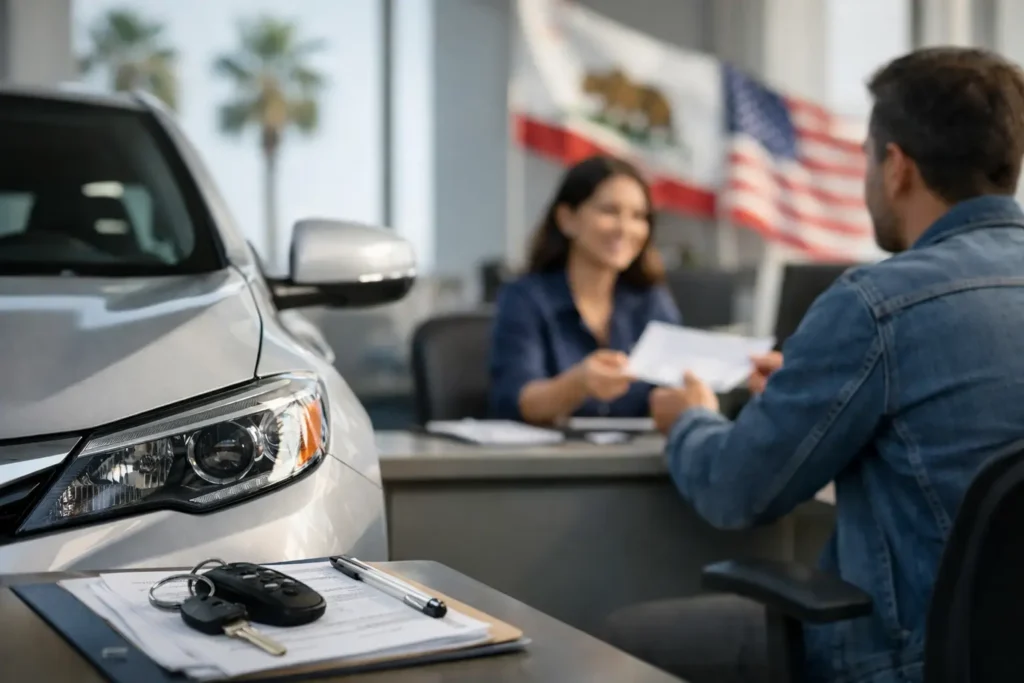
A leased car can turn into a paperwork headache faster than most drivers expect. If you are trying to figure out how to register leased vehicle paperwork in California, the main issue is usually not the registration itself – it is knowing which documents come from you, which come from the leasing company, and which mistakes can slow everything down.
For drivers in Chula Vista and nearby communities, this often comes up after getting a new lease, moving from another state, renewing registration, or fixing title and lien records. The good news is that leased vehicle registration is manageable when you know who the legal owner is, what the DMV wants to see, and when extra steps apply.
How to register leased vehicle without delays
In California, a leased vehicle is typically registered with both a registered owner and a legal owner on record. The registered owner is usually the person driving the car. The legal owner is usually the leasing company or finance company. That split matters because not every document can be signed by the driver alone.
If you are registering a brand-new leased vehicle purchased through a dealership, the dealer often starts the process. But not every situation is that simple. If the paperwork was not completed correctly, if the vehicle came from out of state, or if you need to correct records later, you may still need help finishing the registration properly.
Most customers need a few basics ready before anything can move forward. That usually includes your lease agreement or purchase paperwork, proof of insurance, your driver license or ID, and any DMV notice or temporary registration already issued. If the vehicle is coming from another state, VIN verification may also be required.
The biggest delay usually happens when drivers assume the lease contract is the same as title ownership paperwork. It is not. A lease agreement explains your payment and use terms, but the DMV may still need legal owner information in a specific format. If the lienholder or leasing company details are missing or entered incorrectly, the application can stall.
What documents are usually needed
The exact paperwork depends on whether the car is new, used, transferred from another state, or already in California records. Still, most leased vehicle registrations involve the same core documents.
You will usually need the current registration or dealer packet, proof of insurance that meets California requirements, and identification for the person registering the car. If this is the first California registration for the vehicle, the DMV may also require an Application for Title or Registration and supporting ownership documents that show the legal owner.
For out-of-state leased vehicles, the process can be more detailed. California often requires VIN verification, and in some cases emissions or weight-related records depending on the vehicle type. Commercial vehicles, trucks, and specialty units can bring additional fees and forms.
If the leasing company holds the title electronically or out of state, getting the right release or ownership confirmation can take time. That is why many drivers run into trouble when they wait until the last week before registration expires. With leased vehicles, timing matters because part of the paperwork may depend on a third party responding.
When the leasing company has to be involved
This is where many people get stuck. If a correction, transfer, title update, or registration issue requires the legal owner to sign or authorize something, you may not be able to complete the transaction on your own. The leasing company may need to provide a power of attorney, title instruction, or lienholder authorization.
That does not mean every leased vehicle transaction is complicated. Simple renewals are usually straightforward if the DMV record is already correct. But if there is a name mismatch, address issue, missing title information, or an out-of-state record involved, the legal owner often becomes part of the process.
California fees and what to expect
Registration fees for a leased vehicle are not one-size-fits-all. They can vary based on the vehicle value, location, weight, county fees, and whether any penalties have been added. If the vehicle is late, those penalties can add up quickly.
For a new lease, some fees may have been collected at the dealership. For a renewal, you may simply pay the amount on the notice. For corrections or out-of-state registration, it depends on the file. The practical point is this: do not guess. A small error in fees can mean a return trip, and most people trying to handle DMV paperwork are doing it because they need the vehicle back on the road right away.
Insurance also needs to match the vehicle and owner records closely enough to avoid issues. If your insurance card shows one variation of a name and your registration documents show another, that can create questions. This is especially common with bilingual households, married names, abbreviated names, or business-use vehicles.
Common leased vehicle registration problems
Leased vehicle registration problems are usually administrative, not legal. That is frustrating because they look small on paper but can stop the whole process.
One common issue is a missing legal owner address or incorrect leasing company name. Another is an out-of-state title that has not been released or communicated properly. Sometimes the vehicle was sold through a dealer, but the dealer packet is incomplete. Other times the registration renewal cannot move forward because a prior issue with fees, insurance, or suspended status was never fully cleared.
There is also the question of who should appear as the registered owner. In some cases, the lease is under one person, but another family member is trying to complete the transaction. That can be fine in some situations and a problem in others. It depends on the documents, authorization, and what type of transaction is being requested.
How to avoid mistakes when you register a leased vehicle
If you want to avoid delays, gather your full paperwork before you start. That means not just the registration notice, but also the lease contract, insurance, ID, and any letters from the leasing company. If the vehicle was previously registered in another state, bring every title and registration document you have.
It also helps to confirm whether the transaction is a simple registration, a title-related correction, a transfer, or an out-of-state conversion. People often use the phrase registration for all of it, but the DMV treats those as different processes. Knowing which one you actually need can save a lot of time.
If your tags are close to expiring, move quickly. Leased vehicle paperwork can involve extra signatures or verification, and waiting too long limits your options. The fastest file is usually the one that is complete the first time.
When local help makes sense
If your lease paperwork is clean and your renewal notice matches everything on file, you may have a simple transaction. But if there is a lienholder issue, title question, VIN verification need, or out-of-state history, having someone review the paperwork before submission can make a big difference.
That is especially true for busy drivers who cannot spend a day going back and forth over missing forms. In Chula Vista, many customers want the same thing – get the paperwork handled correctly, avoid DMV confusion, and get back to work, school, or family responsibilities.
A local office that handles registration, title support, and insurance in one place can be helpful because leased vehicle cases often touch more than one record. If insurance needs updating, if registration fees need to be confirmed, or if the legal owner information needs review, it is easier when those pieces are checked together. DMV Services Chula Vista helps drivers handle those issues in person and in plain language, including bilingual support for customers who prefer Spanish.
The fastest path for most drivers
If you are still wondering how to register leased vehicle paperwork without getting delayed, focus on three things first: make sure the legal owner information is correct, bring every ownership and insurance document you have, and do not assume the lease agreement alone is enough.
Some leased vehicle registrations are quick. Others depend on lienholder response, out-of-state records, or corrections that take extra handling. The difference usually comes down to whether the file is complete before it is submitted.
If your situation feels confusing, that is normal. Leased vehicles come with one more layer of paperwork than a standard owned car. Getting clear help early is usually faster than trying to fix a rejected transaction later.
A good next step is simply this: bring your documents together, verify what kind of transaction you actually need, and handle it before the deadline turns a paperwork issue into a penalty problem.