
 English
  Spanish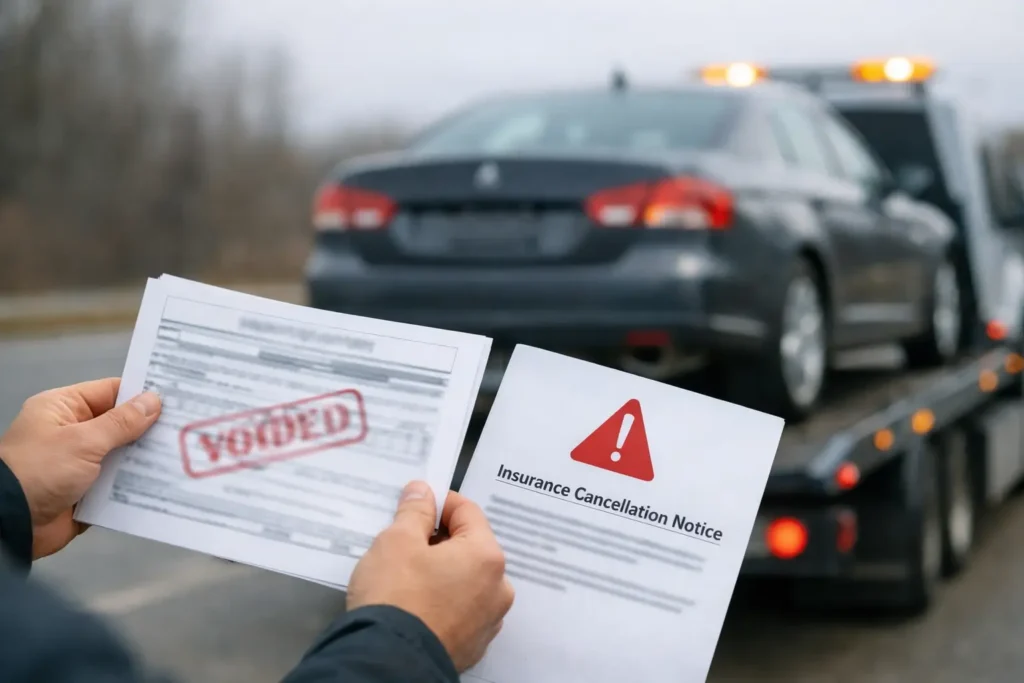
If you found out your vehicle registration was suspended because your insurance lapsed, you usually need to handle two problems at once – getting valid coverage back in place and clearing the suspension with the DMV. Fixing registration suspension due to insurance lapse is rarely complicated once you know the order, but it can become expensive and time-consuming if you wait, keep driving, or submit the wrong paperwork.
In California, this issue often starts quietly. A policy gets canceled, a card on file expires, a payment is missed, or a driver switches insurance companies and assumes everything transferred correctly. Then a notice arrives, or worse, you find out when trying to renew your registration, during a traffic stop, or after getting pulled into a separate DMV issue. At that point, speed matters.
What registration suspension for an insurance lapse usually means
A registration suspension means the DMV has flagged the vehicle because it does not show continuous insurance coverage as required. This does not always mean you did something intentional. Many drivers run into this after changing carriers, removing a vehicle from a policy, selling a car but not finishing paperwork correctly, or letting a payment fail without noticing.
The key point is that the DMV is looking for proof that the vehicle now meets insurance requirements. If the coverage gap was real, there may also be fees or reinstatement requirements. If the suspension happened by mistake, you still need to correct the record quickly so your registration status can be restored.
That is where many people get stuck. They assume buying insurance today automatically removes the suspension today. Sometimes it helps quickly, but not every case updates on its own right away. The DMV may need time, additional proof, or direct processing.
Fixing registration suspension due to insurance lapse in California
The first step is to confirm your current insurance status. If you do not have active coverage right now, get it reinstated or purchase a new policy immediately. Make sure the insurer has the correct vehicle identification number, policy effective date, and California registration information. A small typo can delay the update.
Next, review any notice you received. The notice may tell you whether the DMV is asking for proof of insurance, a reinstatement fee, or both. If you no longer have the original notice, the registration record can still be checked, but you need accurate vehicle and owner information ready.
After that, gather your documents. In most cases, you will want your registration information, license plate number, VIN, proof of current insurance, and any DMV correspondence tied to the suspension. If the lapse happened because of a switch between insurers, proof of dates matters. The difference between a same-day replacement policy and a two-week gap can change what is required.
Then deal with the suspension itself. This is the part drivers often underestimate. Getting insured again is essential, but the registration issue also has to be cleared. Depending on the case, that may involve a fee, confirmation that insurance was electronically reported, or manual submission of proof.
Why these cases get delayed
The most common delay is mismatched information. If the insurance company has one VIN on file and the DMV has another because of a typo, the electronic confirmation may not match. The second common problem is timing. A driver buys insurance and expects the DMV record to clear the same day, but system updates may lag.
There are also cases where the vehicle should not have been reported as uninsured at all. Maybe it was placed in non-operation status, sold, or transferred, but the DMV record still shows it as active. In those situations, the solution is not just paying a fee. The underlying registration record has to be corrected.
This is why quick, in-person help can make a real difference. When you are trying to drive legally again, waiting around to figure out whether the issue is an insurance problem, a registration problem, or both wastes time.
What to do before you drive again
If your registration is suspended, do not assume you are safe to keep driving just because you bought a new policy. It depends on whether the DMV record has actually been updated and whether any reinstatement step is still pending. Driving with a suspended registration can expose you to tickets, added costs, and more frustration if the vehicle is stopped or impounded.
For some drivers, the biggest mistake is trying to save one extra day before fixing it. A short delay can turn into missed work, towing costs, or trouble completing a renewal. Taking care of it right away is almost always cheaper than waiting.
Documents that usually help move things faster
You do not need to bring a stack of random papers, but you should bring the right ones. Most registration suspension cases move faster when you have your current insurance declaration or card, your vehicle registration details, photo identification, and any notice from the DMV or insurance company showing cancellation or reinstatement dates.
If there was a recent sale, transfer, or policy change, supporting paperwork can help clarify the timeline. That is especially true if the lapse notice does not reflect the full story. When dates are close together, having clean records can prevent a back-and-forth that adds more delay.
When the insurance lapse was not really a lapse
Not every suspension is based on an actual uninsured period. Sometimes a driver changed carriers and the replacement policy started immediately, but electronic reporting did not line up. Other times, a vehicle was not being driven and the owner thought that removing coverage was enough, when the DMV still expected an insurance record because the registration remained active.
There is also a difference between canceling coverage on a vehicle you sold and canceling coverage on a vehicle still registered in your name. If ownership records were never fully updated, the DMV may still treat the vehicle as your responsibility. In that case, clearing the suspension may involve title or transfer paperwork along with proof related to insurance.
These details matter because the right fix depends on the cause. Paying a fee without correcting the record may not solve the problem. On the other hand, arguing about a technical reporting error without showing current coverage can also slow things down.
Local help can save you a full day
For many people in Chula Vista, National City, San Diego, San Ysidro, and nearby communities, the real issue is not understanding the problem. It is finding time to fix it. Between work, family, and the usual DMV delays, a registration suspension can drag on longer than it should.
A local office that handles both registration support and insurance help can shorten that process. If you need coverage right away and also need help clearing DMV status, handling both in one place is often the fastest route. DMV Services Chula Vista helps customers with exactly these time-sensitive situations, especially when the case involves both proof of insurance and registration processing.
That one-stop support is useful when you are unsure whether your insurer already reported the policy, whether a fee is due, or whether another registration issue is attached to the suspension. Instead of guessing, you can get the record reviewed and the next step handled correctly.
The cost of waiting versus the cost of fixing it now
Most drivers worry about fees first, which is understandable. But the bigger cost is often downtime. If your registration remains suspended, you may not be able to renew on time, transfer ownership smoothly, or drive without risk. Commercial vehicle owners and truck operators feel this even more because every delay can affect work.
There is also the insurance side. A lapse can sometimes affect your pricing when you restart a policy. That means waiting does not always save money. In some cases, restoring coverage quickly and clearing the DMV issue fast is the least expensive path overall.
A practical way to handle it today
If you are dealing with fixing registration suspension due to insurance lapse, keep the process simple. Confirm active insurance. Make sure your vehicle information is accurate with the insurer. Gather your registration record and any DMV notice. Then clear the suspension directly instead of assuming it will resolve on its own.
If the situation seems straightforward, it may move fast. If the dates do not match, the vehicle was sold, or the DMV record looks wrong, personal help becomes even more valuable. The sooner the issue is reviewed correctly, the sooner you can stop worrying about whether your vehicle status is still hanging in limbo.
A suspended registration feels urgent because it is. The good news is that most cases can be fixed with the right paperwork, current insurance, and prompt action. If you handle it now, you give yourself the best chance of getting back on the road without extra penalties or another wasted trip.