
 English
 Spanish
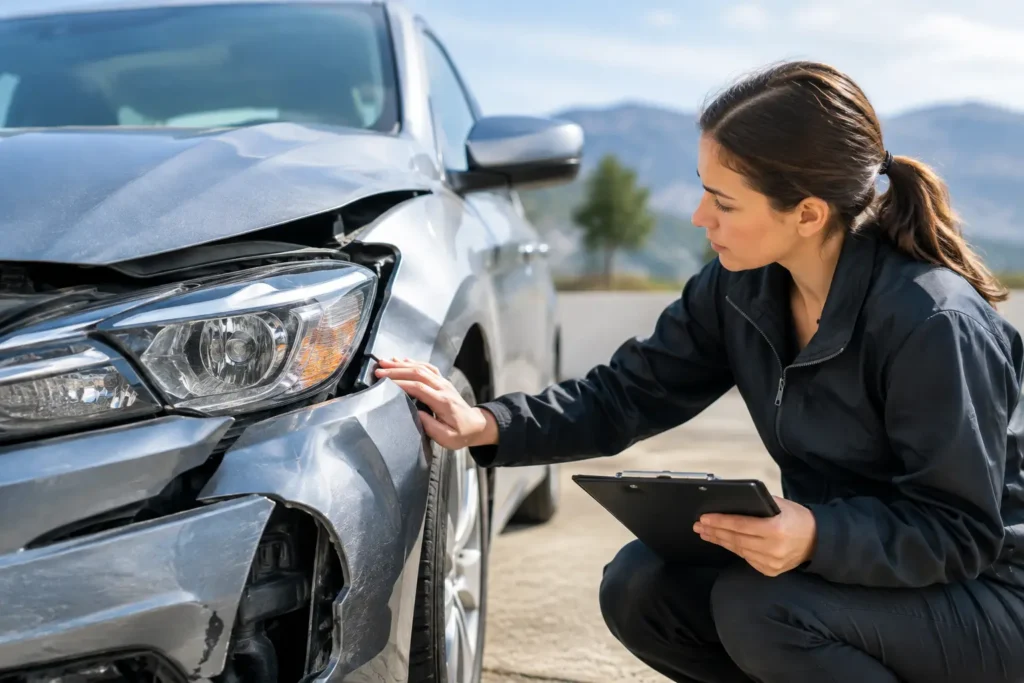
A salvage vehicle can look like a bargain until it is time to put it back on the road. In California, salvage vehicle inspection requirements are not just about showing that the car starts and drives. You must prove the vehicle’s identity, provide the right ownership documents, complete required safety repairs, and clear the registration process before receiving a revived salvage title and registration.
For drivers in Chula Vista and San Diego County, the process can feel especially frustrating when a vehicle was purchased at auction, brought in from another state, or repaired by more than one shop. The key is to prepare the paperwork before making inspection appointments. A missing certificate, incorrect VIN, or incomplete application can delay the vehicle when you are ready to drive it.
What a Salvage Title Means in California
A California salvage certificate is issued when an insurance company or vehicle owner reports that a vehicle has been damaged, destroyed, or recovered after theft and meets the state’s salvage criteria. The designation does not automatically mean the vehicle is unsafe or impossible to repair. It does mean the vehicle cannot simply be registered for normal road use without going through the revived salvage process.
A vehicle may receive a salvage title after collision damage, flood damage, fire damage, theft recovery, or another loss that led an insurer to declare it a total loss. The title history stays with the vehicle. Even after it is repaired and registered, it will generally be identified as a revived salvage vehicle, which can affect resale value, financing, and insurance options.
Do not confuse a salvage vehicle with a nonrepairable or junk vehicle. A nonrepairable vehicle is generally not eligible to return to public roads. Before spending money on repairs, confirm what type of ownership document you have. That one detail determines whether registration is possible.
California Salvage Vehicle Inspection Requirements
To register a revived salvage vehicle in California, owners typically need an inspection by the California Highway Patrol, commonly called CHP. The CHP inspection is primarily focused on establishing the vehicle’s identity and checking that its major parts are not stolen. It is not the same as a full mechanical inspection or a guarantee that the vehicle is safe in every respect.
The inspector may examine the public VIN, federal certification label, engine numbers when applicable, and identifying numbers on major parts. If the VIN plate appears altered, missing, damaged, or inconsistent with the documents, the vehicle may require additional review. This is where many rebuilt vehicles run into problems, especially when the owner cannot show where replacement parts came from.
Bring the vehicle in the condition required for inspection. It should be accessible for the inspector to view identifying information, and you should not cover, repaint over, or alter VIN-related labels. If the vehicle is not legally registered for road use, do not drive it to an appointment without proper authority. Ask about a temporary operating permit or arrange transportation on a trailer or tow truck.
The CHP Inspection Is Not the Only Requirement
A successful CHP inspection is a major step, but it does not finish the process by itself. California may also require a brake and lamp inspection certificate from a licensed inspection station. These certificates show that the brake system and required lighting equipment meet applicable standards after repairs.
The exact requirements can depend on the type of vehicle, its model year, the damage involved, and the equipment installed. For example, a passenger car may need brake and lamp certificates, while certain vehicles can have different requirements or exemptions. Commercial vehicles may also need a weight certificate. If the vehicle is subject to California smog rules, a smog certification may be required before registration can be completed.
That is why it helps to verify the required documents before scheduling inspections. Paying for an inspection too early can mean paying again if the vehicle still needs paperwork or repairs.
Documents to Gather Before You Start
Most revived salvage applications involve several documents. The usual starting point is the California Salvage Certificate or other acceptable proof of ownership. You will also generally need a completed Application for Title or Registration, often known as REG 343, along with the vehicle’s inspection paperwork and applicable fees.
Keep receipts and invoices for major component parts, especially if the vehicle was rebuilt with replacement doors, fenders, hood, engine, transmission, or other identifiable components. Receipts should clearly identify the seller, date of purchase, part description, and vehicle or part identification number when available. Receipts from private sellers that contain little information can create questions during the CHP review.
You may also need proof of insurance before registration can be issued. California requires financial responsibility for vehicles operated on public roads. Because insurance companies handle rebuilt salvage vehicles differently, call early instead of waiting until the registration appointment. Some carriers may offer liability coverage but limit comprehensive or collision coverage. Others may request photos, repair documentation, or an appraisal.
Depending on your situation, your file may include:
- The salvage certificate or properly assigned ownership document
- A completed title and registration application
- CHP inspection documentation, commonly CHP 97
- Brake and lamp inspection certificates when required
- A smog certificate when required
- Receipts for major replacement parts and repair work
- A weight certificate for applicable commercial vehicles
- Proof of insurance and payment for registration, title, and related fees
The DMV can request additional documents when the ownership history, VIN, or repair record raises questions. This is normal. A clean, organized file helps the process move much faster.
Repair the Vehicle for More Than the Inspection
Passing paperwork checks does not erase the responsibility to repair the vehicle properly. Salvage vehicles often have hidden damage involving suspension components, airbags, seat belts, cooling systems, wiring, sensors, and structural areas. A vehicle that looks straight from the outside may still have safety issues underneath.
Use a qualified repair facility for collision, frame, airbag, brake, and electrical work. Ask for itemized invoices and keep before-and-after photos. Those records can help with insurance, future resale, and questions about the rebuild. They also give you a clearer picture of what was actually repaired instead of relying on a seller’s description.
Be careful with inexpensive auction vehicles. The winning bid is only one part of the cost. Towing, storage, parts, labor, inspection fees, registration fees, smog repairs, and insurance can quickly change the math. A salvage purchase makes more sense when you understand the full repair scope and have a realistic budget.
Common Delays That Stop a Revived Salvage Registration
The most common delay is a document mismatch. The VIN on the title, bill of sale, inspection documents, or vehicle must match exactly. One incorrect digit can stop processing until the error is corrected.
Another common issue is incomplete parts documentation. If a major part is replaced and its source cannot be verified, CHP may need more information. Avoid buying parts without receipts, even when the price is attractive. It can cost far more in delays later.
Drivers also lose time by confusing a DMV VIN verification with a CHP salvage inspection. A standard VIN verification may be appropriate for some out-of-state or ownership transactions, but a revived salvage vehicle generally requires the CHP process. Confirm the correct inspection before you make an appointment.
Finally, do not assume a vehicle can be driven because it has plates from a prior owner or a temporary tag from another state. Registration status, ownership transfer, and legal operating authority are separate matters. Get the correct permit or transport arrangement before moving the vehicle on public roads.
Get Local Help Before Your Appointment
A revived salvage file has multiple moving parts, and the order matters. Start by reviewing the ownership document, then confirm the vehicle is eligible for revival, organize your receipts, complete needed repairs, and schedule the correct inspections. Once the required certificates are in hand, you can move forward with title and registration processing.
DMV Services Chula Vista can help local drivers review their registration paperwork, handle title-related transactions, and identify what may still be needed before they submit a revived salvage application. Bilingual, in-person assistance can save time when you are dealing with a vehicle purchase, a CHP appointment, and insurance questions at the same time.
A salvage vehicle can become a practical car, truck, or motorcycle when the repair work and documents are handled carefully. Keep every receipt, verify every VIN, and give yourself time to complete the process correctly before planning your first drive.