
 English
 Spanish
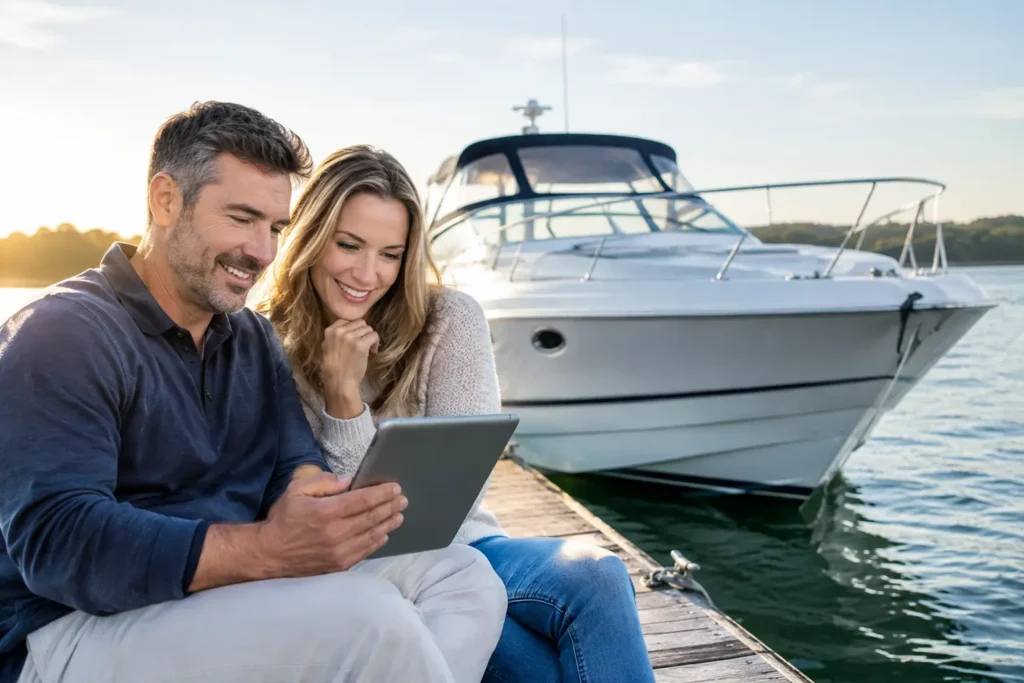
A day on San Diego Bay can change quickly when another vessel hits your boat, your engine will not start offshore, or a trailer accident damages property on the way home. Boat insurance coverage options are designed for those real situations, but the right policy depends on your vessel, where you use it, and what you need to protect.
For many local boat owners, the goal is simple: get reliable protection without paying for coverage that does not fit their boat or boating habits. Whether you own a fishing boat, personal watercraft, sailboat, pontoon, or a larger cruiser, it helps to know what each part of a policy actually does before you choose a plan.
Start With the Coverage You May Need Most
Liability coverage is the foundation of most boat insurance policies. It can help pay for injuries or property damage you cause to another person while operating your boat. For example, if your boat damages another vessel at a marina, strikes a dock, or injures a passenger, liability coverage may help with covered claims, legal defense costs, and settlements up to your policy limits.
Some marinas, lenders, and storage facilities require proof of liability insurance before they allow a boat to be kept on their property or financed. Even when it is not required, liability coverage can protect you from a costly out-of-pocket claim.
The limit you choose matters. A lower limit may cost less upfront, but serious injuries, dock damage, or damage to another boat can become expensive quickly. A higher limit may make sense for boaters who carry frequent passengers, use busy waterways, own higher-powered vessels, or want added protection beyond a basic policy.
Boat Insurance Coverage Options for Physical Damage
Physical damage coverage generally helps repair or replace your boat if it is damaged by a covered event. This can include collision with another boat or object, fire, theft, vandalism, weather damage, and certain accidents during transport. The exact protections depend on the policy, so it is smart to review the exclusions instead of assuming every type of damage is included.
Your deductible is part of this decision. That is the amount you pay before insurance contributes to a covered repair. Choosing a higher deductible can lower your premium, but it also means you need to be comfortable handling more of a repair bill yourself.
Actual Cash Value or Agreed Value?
This is one of the biggest differences between policies. Actual cash value coverage generally considers depreciation. If a boat is declared a total loss, the payment may reflect what the boat was worth at the time of the loss, minus any deductible.
Agreed value coverage is based on a value accepted by you and the insurer when the policy starts. If there is a covered total loss, it can provide more predictable protection because depreciation may not reduce the agreed amount. It is often worth considering for newer boats, well-maintained vessels, or boats with expensive equipment and upgrades.
Neither choice is automatically best. Actual cash value can be more affordable, while agreed value can offer stronger certainty for owners who have invested heavily in their boat. The key is to insure the vessel for a realistic amount and keep records of major improvements.
Coverage for Passengers and Medical Bills
Medical payments coverage may help with certain medical expenses if you or your passengers are injured in a covered boating accident. It can be useful regardless of who caused the accident, subject to the policy terms and limits.
This coverage is not a replacement for health insurance, and it may have lower limits than a major medical plan. Still, it can help with immediate expenses such as ambulance transport, emergency care, X-rays, or follow-up treatment after an on-water accident. If you regularly bring family members, friends, or fishing partners aboard, this is worth discussing.
Some boaters also consider uninsured or underinsured boater coverage. If another boater causes an accident and does not have enough insurance, this coverage may help with covered injuries. Availability and requirements vary by insurer, but it is an important question to ask in areas with heavy recreational boat traffic.
Towing, Assistance, and Emergency Service
A boat breakdown is not like a car breakdown on the side of the road. Towing on the water can be expensive, especially if you are far from the ramp or marina. On-water towing and assistance coverage can help with covered services such as towing, fuel delivery, battery jump-starts, or soft ungrounding.
Check the distance and dollar limits before relying on it. A policy may cover towing to the nearest repair facility but not necessarily to your preferred marina. Also ask whether assistance is included or sold as an optional endorsement. For boaters who spend time offshore, travel between marinas, or use their vessel often, this small add-on can be a practical choice.
Do Not Forget the Trailer and Equipment
Your boat may be protected while it is on the water, but many losses happen in a driveway, storage lot, or on the road. Trailer coverage can help with covered damage to the trailer used to transport your boat. It is especially useful if you tow frequently between Chula Vista, San Diego Bay, launch ramps, and storage locations.
Personal effects and fishing equipment may need separate attention. Rods, tackle, electronics, coolers, scuba gear, and other items may have limited coverage under a standard policy. Some policies include a small amount of protection, while others require additional coverage for high-value equipment.
Make a simple inventory before shopping for insurance. Take photos of the boat, trailer, motor, electronics, and accessories. Keep purchase receipts or appraisals for expensive upgrades. Good records make it easier to choose an accurate coverage amount and support a claim if something is stolen or damaged.
Navigational Limits Can Change Your Protection
Where you operate your boat is just as important as what you own. A policy may set navigational limits, meaning it covers you only within certain inland waterways, coastal distances, or geographic regions. If you plan to travel beyond San Diego Bay, head offshore, or take your vessel into Mexico, ask whether your policy allows it.
Do not assume a standard policy automatically covers every trip. Offshore use, international waters, racing, chartering, or commercial activity can require different coverage or a specific endorsement. A fishing boat used only for family recreation has different insurance needs than a vessel carrying paying passengers.
Seasonal storage is another detail to review. Some policies reduce or restrict coverage during lay-up periods, while others provide year-round protection. If you keep your boat in the water all year, store it at home, or transport it often, explain that clearly when getting a quote.
What Boat Insurance May Not Cover
Every policy has exclusions. Common issues can include normal wear and tear, gradual deterioration, mechanical breakdown, corrosion, faulty maintenance, and damage caused by using the boat outside its permitted area. Damage related to racing, commercial use, or an unlicensed operator may also be excluded depending on the policy.
That does not mean a policy is not useful. It means the details matter. Ask what happens if the engine fails, if a hurricane or windstorm damages the vessel, if the boat is stolen from storage, or if an unlisted operator has an accident. Clear answers now can prevent frustrating surprises later.
Choosing a Policy Without Slowing Down
To get a useful quote, have the boat year, make, model, hull identification number, motor details, value, storage location, and intended use ready. Also be prepared to explain where you boat, how far offshore you travel, whether you trailer the vessel, and whether there are any prior claims.
At DMV Services Chula Vista, local boat owners can get hands-on help reviewing watercraft insurance choices in plain language. Independent insurance options can make it easier to compare coverage, deductibles, and pricing without guessing which details matter.
The best policy is not always the cheapest one. Choose coverage that makes sense for how you actually use your boat, keep your documents and equipment records organized, and ask questions before you leave the dock.