
 English
 Spanish
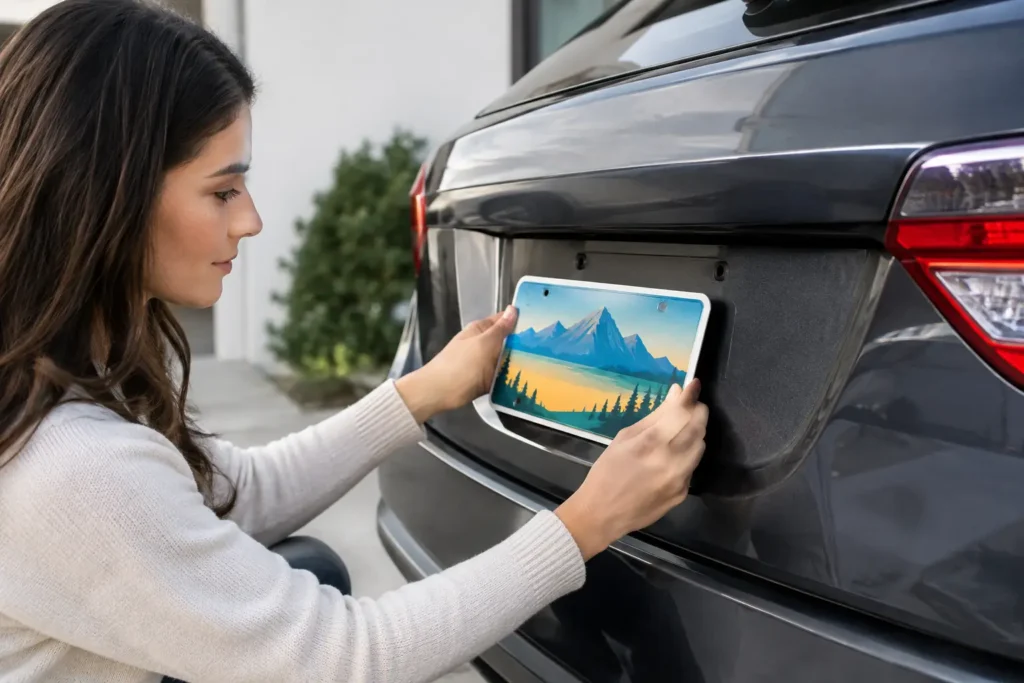
A missing, damaged, or unreadable specialty plate can turn an ordinary drive into a stressful errand. Whether your California plate was bent in a parking lot, stolen, lost, or faded beyond recognition, you should act quickly to replace specialty plates and keep your vehicle records current. The right paperwork can save you from repeat trips, long lines, and mistakes that delay your replacement.
When You Need to Replace Specialty Plates
California specialty plates include designs supporting causes, colleges, organizations, and other special-interest programs. They can also include personalized plates with a custom letter and number combination. Even if the design is special, the plate is still an official vehicle identifier. It needs to be visible, legible, and properly attached to the vehicle.
You may need a replacement when a plate is lost, stolen, damaged, mutilated, or too worn to read clearly. A plate with peeling paint, deep bends, missing characters, or a cracked mounting area can create problems during a traffic stop, parking enforcement check, or registration transaction.
If only one plate is missing, do not assume you can simply keep using the other one indefinitely. Most California passenger vehicles are issued two license plates and must display both unless the vehicle was issued a single plate. Bring any remaining plate with you when requesting a replacement, since the state may need to account for it as part of the transaction.
Damage, loss, and theft are handled differently
A damaged plate is often the simplest situation because you can show the existing plate and explain why it is no longer usable. Lost and stolen plates require a little more care because someone else could potentially use the plate number improperly.
If your plates were stolen, making a police report is a sensible step. It creates a record of the theft and may be helpful if you later receive parking tickets, toll notices, or other issues connected to the old plate number. Requirements can vary by situation, so bring any report information you have and explain exactly what happened.
What to Bring for a Specialty Plate Replacement
Having your documents ready is the fastest way to move the process forward. For most replacement plate requests, bring a government-issued photo ID, your current registration card if available, and the vehicle information, including the license plate number or VIN. If you still have one or both old plates, bring them with you.
You will generally need to complete the California application used for replacement plates, stickers, or documents. Fees may apply, and the exact amount can depend on the type of plate, the reason for replacement, and whether you need related registration documents at the same time.
If the registered owner cannot come in personally, there may be additional authorization requirements. This is common when a family member, dealership representative, business employee, or another person is handling the paperwork. Do not wait until you are at the counter to find out that a signature or authorization is missing.
For a smoother visit, have these details available:
- Your current registration card or a clear photo of it
- Your driver license or other accepted photo identification
- The vehicle VIN, make, model, and year
- Any plate that remains in your possession
- Police report details if the plate was stolen
- Payment for applicable state and service fees
A quick document review before processing can prevent the most common delays, especially when the registration has expired, the vehicle has recently changed owners, or the name on the registration does not match the person requesting service.
What Happens After You Apply
The replacement process is not always the same for every specialty plate. In some cases, a new plate number may be assigned. In others, especially with personalized or specialty configurations, the state may need to produce and mail replacement plates. The timing depends on the plate type and the specific transaction.
Do not promise a buyer, employer, or family member that the physical plates will be ready the same day unless the transaction has been reviewed. Paperwork can often be submitted quickly, but plate production and delivery are controlled by the state. If you need proof that your vehicle is properly registered while waiting, ask what registration documents or temporary options may be available for your situation.
Once replacement plates are issued, follow the instructions for handling the old plates. If you later locate plates that were reported lost or stolen, do not put them back on the vehicle without confirming what the state requires. The old number may no longer be valid after a replacement transaction is completed.
Personalized Plates Need Extra Attention
Personalized plates are more than a decorative item. The custom configuration may be linked to your vehicle record, and the replacement process can take longer than a standard plate transaction. If your personalized plate is damaged or missing, tell the representative right away that it is a personalized configuration.
The same applies if you have a special-interest plate design you want to keep. Do not assume that every replacement will preserve the exact plate number, design, or configuration without review. It depends on the type of plate, the reason for replacement, and current California DMV procedures.
If you recently bought or sold the vehicle, the question becomes more complicated. Plate rights can differ based on whether the plate is standard, specialty, or personalized, and whether the registration transfer has been completed. Bring all sale, title, and registration documents so the plate issue can be handled alongside the ownership paperwork instead of becoming a separate problem later.
Avoid These Delays Before Your Visit
The fastest replacement starts before you leave home. First, check whether your registration is current. An expired registration can add fees or create additional steps. Next, make sure the vehicle information you provide matches the registration record exactly, including names and addresses.
Also, be clear about the reason for the request. “My plate is damaged” and “my plate was stolen” can lead to different questions and documentation. If your vehicle is leased, company-owned, registered to a trust, or registered under a business name, expect that ownership documents or authorization may be needed.
Do not keep driving with a plate that is unreadable, improperly displayed, or partially detached. Secure the plates properly once you receive instructions, and update any vehicle records that may rely on the plate number, such as parking permits, toll accounts, insurance files, or gated community access.
Local Help for Chula Vista Drivers
DMV paperwork is rarely difficult because of one big form. It becomes frustrating when a small detail is missing, a plate type is misunderstood, or the wrong transaction is started. For drivers in Chula Vista and nearby San Diego County communities, in-person help can make a replacement request much easier to understand.
DMV Services Chula Vista provides hands-on assistance for vehicle registration paperwork, duplicate documents, title transactions, and plate-related concerns. Bilingual support can be especially helpful when a family member is handling paperwork in English and Spanish or when ownership records need to be reviewed carefully before submission.
Bring what you have, explain what happened to the plate, and ask questions before processing begins. A few minutes spent checking the details can help you leave with a clear plan instead of another DMV task waiting on your dashboard.