
 Spanish
  English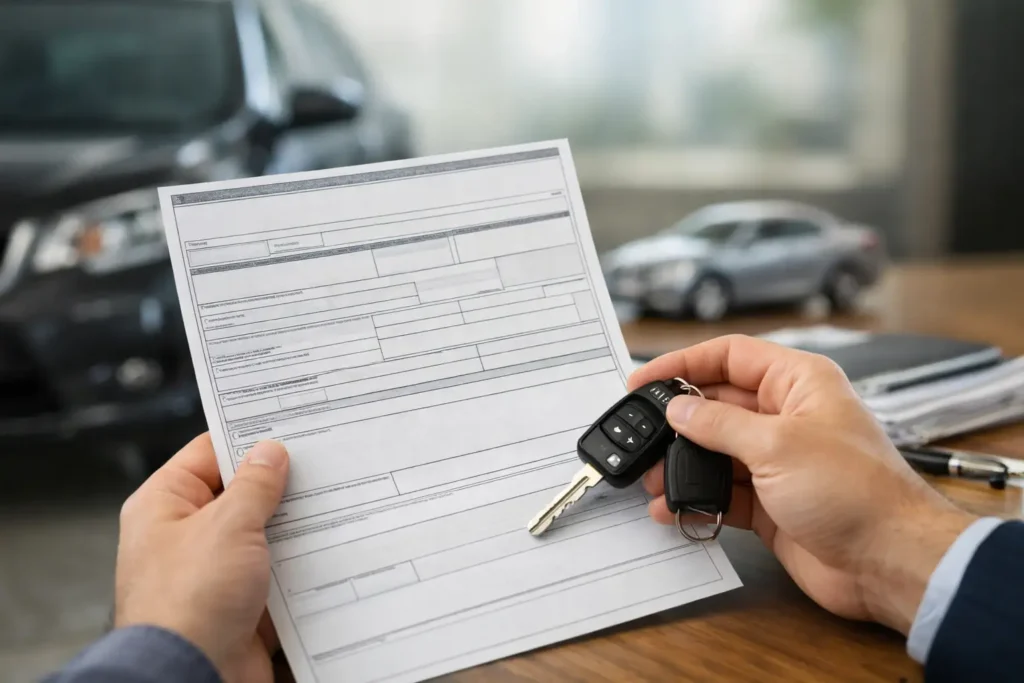
A vehicle title is easy to overlook until it is missing at the exact moment you need it. If you are selling a car, paying off a loan, registering an out-of-state vehicle, or correcting ownership records, a lost title can stop the transaction. So, what is a duplicate title? It is the official replacement for an original vehicle title that was lost, stolen, damaged, or never received.
What Is a Duplicate Title?
A duplicate title is a new California Certificate of Title issued for the same vehicle and ownership record as the original. It is not a second ownership document that gives someone else rights to the car. It replaces the missing document in the DMV record.
The title is the document that shows legal ownership of a vehicle. It generally includes the vehicle identification number, year, make, owner information, and any lienholder or legal owner listed on the vehicle. Because it is a legal ownership document, replacing it requires more than simply printing a copy at home.
For most drivers, the reason is straightforward: the title was misplaced during a move, damaged beyond use, stolen, or never arrived after a previous transaction. California also has processes for replacing titles with incorrect information, but a correction and a duplicate-title request are not always the same thing. The right paperwork depends on what happened to the original document and whether the vehicle record needs to change.
When Do You Need a Duplicate Vehicle Title?
You may not need the physical title every day, but you will likely need it for major ownership transactions. A duplicate title is commonly needed before selling or gifting a vehicle, transferring it to a family member, or handling a private-party purchase where the seller cannot locate the title.
It can also be necessary when a lender has been paid off and the ownership paperwork needs to be updated, when an insurance claim requires proof of ownership, or when a vehicle is being taken out of California. Commercial vehicle owners may need replacement title paperwork as part of a sale, fleet update, or lien-related transaction.
A missing title does not always mean you need a duplicate right away. For example, if a vehicle still has an active loan, the lienholder may hold the title or be listed as the legal owner. In that situation, the lender may need to be involved before a replacement can be issued. If you are only renewing registration, you typically do not need a title unless there is a separate ownership issue.
The key question is whether you need to prove, transfer, or update ownership. If the answer is yes and the original title is unavailable, it is time to look into a replacement.
How Duplicate Title Requests Work in California
California vehicle owners generally request a replacement using the Application for Replacement or Transfer of Title, commonly known as Form REG 227. The form helps establish who is requesting the title, identifies the vehicle, and explains why the original title is unavailable.
The exact requirements can vary based on the vehicle record. In a simple case, the registered owner provides identification, vehicle details, and the required application and fees. If more than one owner is listed, the signatures required may depend on how the ownership names appear on the record. A mismatch in names, missing signatures, or an incomplete VIN can delay the request.
If the title was stolen, a police report is not always required for a duplicate-title application, but reporting theft may still be a good idea when identity theft or fraudulent use is a concern. If the original title is damaged, bring it with you when possible. The DMV may need to see the damaged document before issuing a replacement.
For drivers who recently moved to California, the situation can be different. An out-of-state title is not replaced through the same process as a California title. You may need title documents from the previous state, a VIN verification, and other registration paperwork. Getting the paperwork sorted before standing in line can save a return trip.
A Duplicate Title Does Not Change Ownership
One of the biggest misunderstandings is that a duplicate title can solve every ownership problem. It cannot. A duplicate title replaces a document, but it does not automatically remove a former owner, add a new owner, release a lien, or fix a disputed vehicle sale.
For example, if you bought a car but never completed the transfer, applying for a duplicate title under the previous owner is not the right path. The sale must be properly documented and transferred. Likewise, if a lienholder is still listed on the record, a replacement title does not erase that lien. You may need a lien release or assistance from the lender first.
This distinction matters because title mistakes can create expensive delays. A buyer may walk away from a sale without a clear title. A lender can remain attached to the record even after a loan is paid if the release was never processed. And a simple name difference, such as a missing middle name or a name changed after marriage, may need supporting documents before the record can be updated.
What to Bring Before You Start
Having the right information ready makes the process much easier. Bring a valid government-issued photo ID and the vehicle’s VIN, license plate number, and current registration if available. If the vehicle has multiple owners, bring the information needed for each person listed on the record.
You should also bring any documents connected to the issue. That might include the damaged title, a lien release, proof of a legal name change, a power of attorney, or paperwork from a lender. If the vehicle was purchased recently, bring the bill of sale and transfer documents as well.
Do not guess when filling out title paperwork. A wrong VIN digit, an unsigned form, or a crossed-out entry can cause a delay. It is better to review the record carefully before submitting it than to discover a problem after the application has already been processed.
Common Duplicate Title Problems and How to Avoid Them
The most common issue is an active lien. Even if you have finished making payments, the title record may still show the lender as legal owner. Check whether you have a lien release and make sure the document is complete before requesting a replacement.
Another problem is ownership names that do not match DMV records. This often happens after marriage, divorce, immigration paperwork updates, or a spelling error on a prior document. Supporting documents may be needed to connect the names correctly.
Vehicle owners also run into trouble when they try to sell a vehicle before the duplicate title arrives. A replacement request is not proof that you can immediately transfer ownership. Plan ahead if you expect to sell your car, motorcycle, truck, or commercial vehicle soon.
Finally, be cautious with anyone offering to buy a car without proper title paperwork or asking you to sign incomplete forms. A title document protects both the buyer and seller. Clear paperwork is worth the extra step.
Get Local Help With Title Paperwork
Duplicate-title requests can look simple until a lien, ownership change, missing signature, or out-of-state record is involved. DMV Services Chula Vista provides local, bilingual assistance for drivers who need help reviewing vehicle paperwork and moving their transaction forward without unnecessary confusion.
Bring the documents you have, explain what happened to the original title, and ask questions before submitting anything. A few minutes spent checking the details can protect your sale, your vehicle ownership record, and your time.